
16
The Prickly Pear Cactus
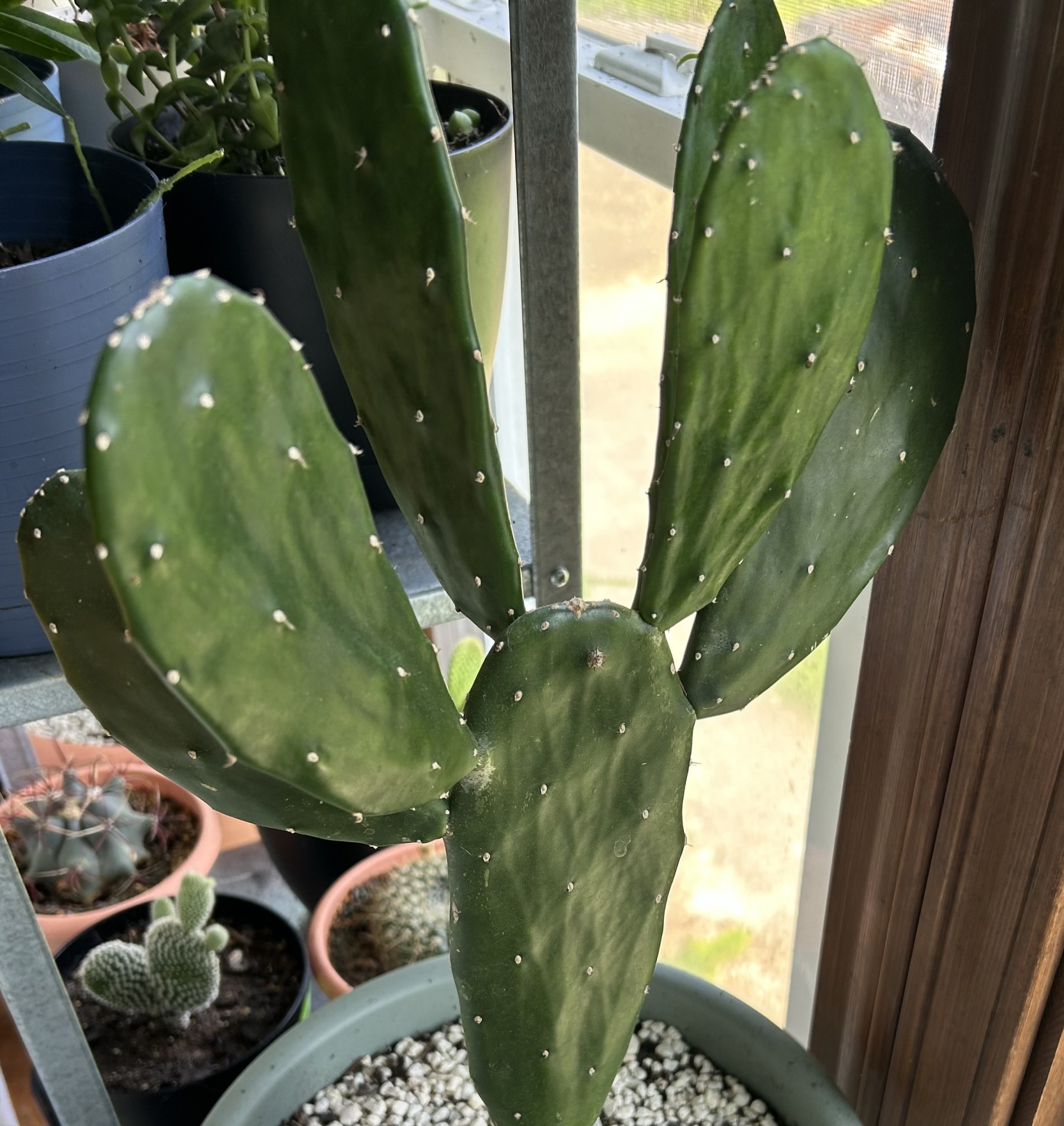
Description:
The Prickly Pear Cactus (Opuntia genus) is a distinctive and resilient succulent known for its flat, paddle-like pads covered in clusters of sharp spines. Native to the Americas, this cactus is renowned for its striking appearance, vibrant flowers, and edible fruits. The pads vary in color, ranging from green to bluish-green, and some species have a distinctive reddish tint. Prickly pear cacti are often found in arid and semi-arid regions, making them well-adapted to withstand drought and harsh conditions.
Care Instructions:
Caring for a prickly pear cactus involves providing the right conditions to ensure its growth and health. Here's how:
1. Light: Place your prickly pear cactus in a location that receives ample sunlight. It thrives in full sun, so aim for at least six hours of direct sunlight per day. If growing indoors, choose a south-facing window with maximum sunlight exposure.
2. Watering: Prickly pear cacti are drought-tolerant and prefer infrequent but deep watering. Water thoroughly when the top inch or two of soil is dry, allowing excess water to drain away. Reduce watering during the winter months when the cactus is in its dormant phase.
3. Soil: Plant your prickly pear cactus in a well-draining cactus or succulent mix. This type of soil prevents waterlogging and helps prevent root rot.
4. Temperature: Prickly pear cacti are resilient and can tolerate a wide range of temperatures. They do best in temperatures between 70°F to 100°F (21°C to 38°C) during the growing season, but they can survive mild frost.
5. Potting and Repotting: Use a pot with drainage holes and repot your prickly pear cactus every few years as it outgrows its current container. Repotting provides fresh soil and space for growth.
6. Fertilization: Fertilize sparingly with a diluted, balanced, liquid cactus fertilizer during the growing season (spring and summer). Avoid excessive fertilization, as this can lead to weak growth and susceptibility to pests.
7. Pruning and Maintenance: Prune away any dead or damaged pads using tongs or gloves to avoid the spines. Regularly inspect the cactus for signs of pests or disease, such as mealybugs or rot.
8. Pest Control: Keep an eye out for pests like scale insects and mealybugs. Use a soft brush or cotton swab dipped in alcohol to remove these pests. For more severe infestations, consider using an insecticidal soap.
9. Protection from Frost: If you're growing prickly pear cacti in an area with occasional frost, cover them with frost cloth or move them indoors during colder nights.
10. Caution: Prickly pear cacti have sharp spines that can cause irritation and injury. Handle them with care, wear gloves when necessary, and keep them out of reach of pets and children.
By following these care instructions and paying attention to your prickly pear cactus's needs, you can enjoy the beauty and resilience of this unique succulent in your garden or indoor space.

Privacy Policy / DMCA Notice / ADA Accessibility


