
30
Monstera Deliciosa
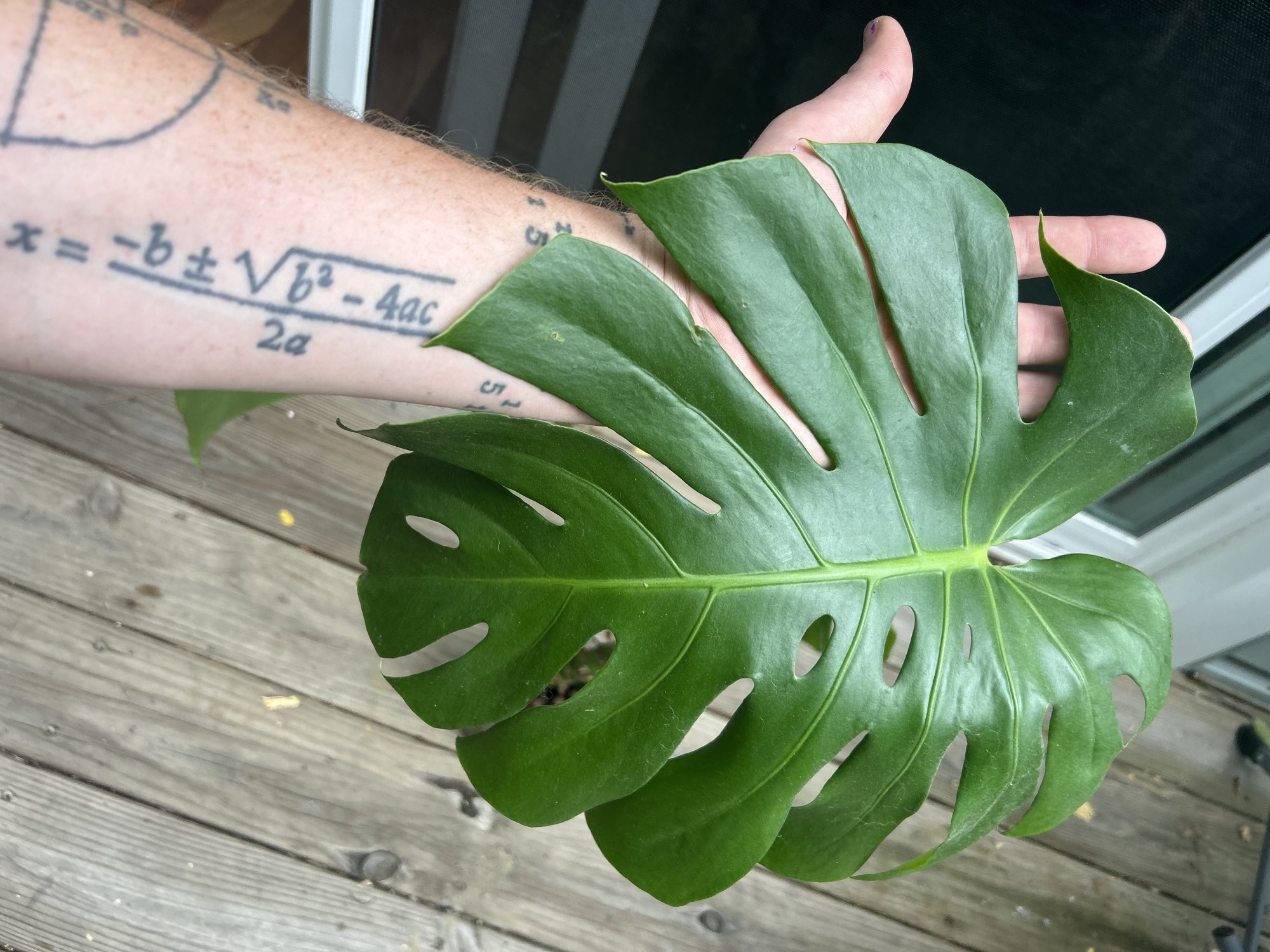
The Monstera Deliciosa, also known as the Swiss Cheese Plant, is a beloved and iconic houseplant known for its lush foliage and unique leaf shapes. Its vibrant green leaves and air-purifying qualities make it a popular choice among plant enthusiasts. To ensure your Monstera thrives and remains a stunning addition to your indoor space, follow these care instructions:
**1. Light:**
Place your Monstera in bright, indirect light. Avoid direct sunlight, as it can scorch the leaves. If your plant isn't getting enough light, its growth may slow down and its leaves might lose their distinct split patterns.
**2. Watering:**
Water your Monstera when the top inch of the soil feels dry to the touch. Over-watering can lead to root rot, so make sure the pot has good drainage. During the growing season (spring and summer), you'll likely need to water more frequently than in the dormant period (fall and winter).
**3. Humidity:**
Monstera Deliciosa plants thrive in high humidity environments. Mist the leaves regularly, use a humidity tray, or consider a room humidifier to maintain the optimal humidity level. Brown leaf edges can be a sign of low humidity.
**4. Temperature:**
Keep your Monstera in a warm environment with temperatures between 65°F to 85°F (18°C to 29°C). Protect the plant from drafts and sudden temperature changes, as they can stress the plant.
**5. Soil:**
Use a well-draining potting mix that retains some moisture without becoming waterlogged. A mix of potting soil, perlite, and orchid bark can work well for Monstera Deliciosa.
**6. Pruning:**
Trim any yellowing or damaged leaves to encourage healthy growth. If your Monstera becomes too leggy or overgrown, you can trim back long stems to promote bushier growth.
**7. Support:**
As your Monstera grows, it might need support to climb. You can provide a moss pole, trellis, or other support structures for the plant to cling to and grow upward.
**8. Fertilization:**
During the growing season (spring and summer), feed your Monstera with a balanced, water-soluble fertilizer every 4-6 weeks. Dilute the fertilizer to half the recommended strength to prevent overfeeding.
**9. Repotting:**
Younger Monstera plants may need to be repotted annually, while older ones can be repotted every 2-3 years. Repot in the spring, moving the plant to a pot only 1-2 inches larger to avoid excessive soil moisture.
**10. Propagation:**
Monstera Deliciosa can be propagated through stem cuttings placed in water or directly in soil. Wait until the cutting has developed roots before transplanting it into a new pot.
By following these care instructions, you'll provide your Monstera Deliciosa with the best conditions for growth and health. With patience and attention to its needs, you'll be rewarded with a stunning and thriving indoor plant that adds a touch of tropical elegance to your home.

Privacy Policy / DMCA Notice / ADA Accessibility


