
20
Alocasia Sting Ray
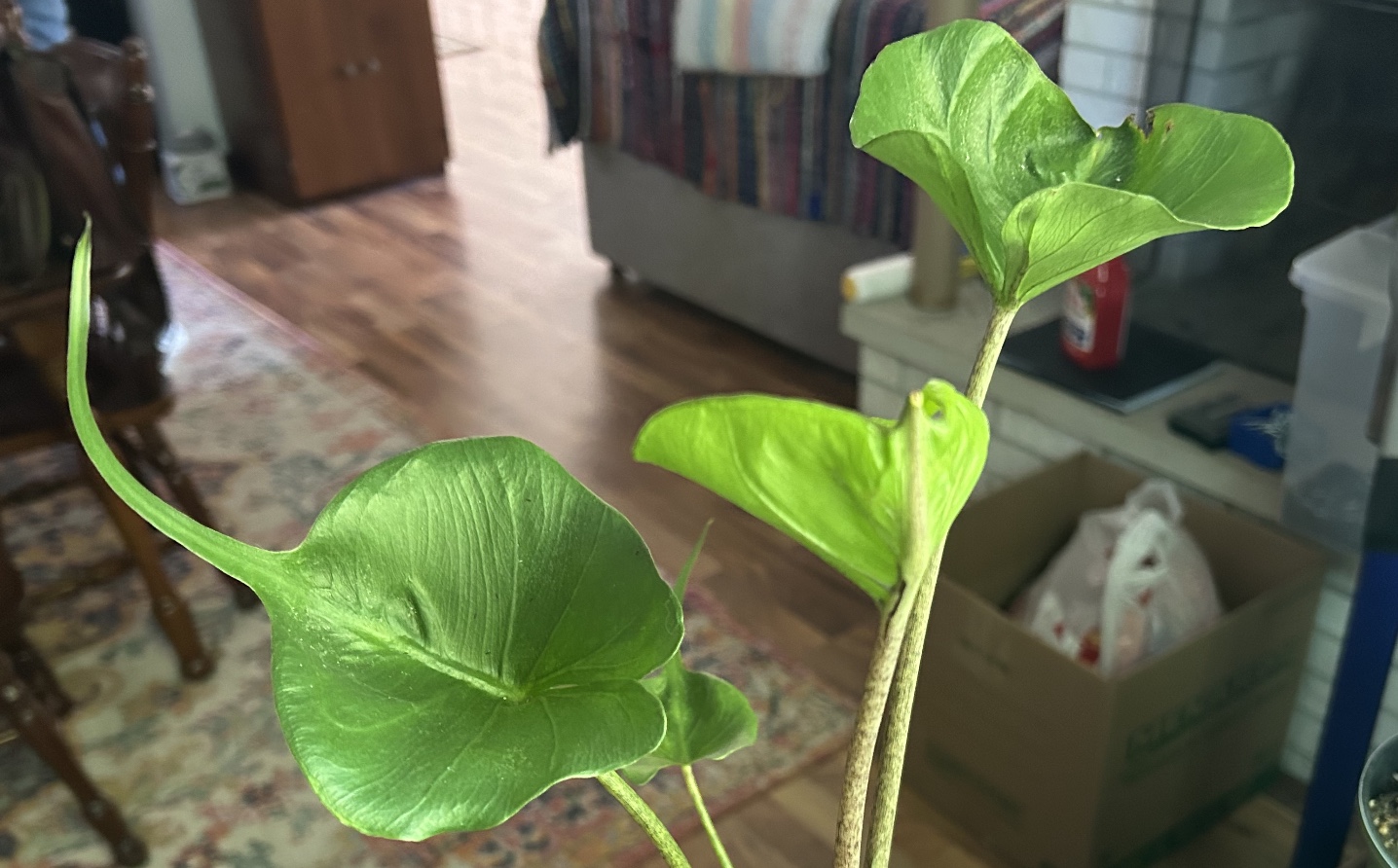
If you're a plant enthusiast looking to add a touch of exotic elegance to your indoor space, the Alocasia Sting Ray should be at the top of your list. With its unique and striking appearance, this tropical plant has gained popularity among plant lovers and interior designers alike. In this blog post, we'll delve into the fascinating world of the Alocasia Sting Ray and provide you with essential care instructions to ensure it thrives in your home.
**Alocasia Sting Ray: A Plant with Grace and Elegance**
Native to Southeast Asia, the Alocasia Sting Ray, scientifically known as Alocasia amazonica 'Polly,' is a member of the Araceae family. Its striking resemblance to a stingray's wings makes it a captivating addition to any indoor space. The plant features arrowhead-shaped leaves with prominent, elongated tips that resemble the wings of a graceful ray swimming through the ocean. These deep-green leaves are accentuated by contrasting white or silver veins, adding to its allure.
**Creating the Ideal Environment**
1. **Light:** Alocasia Sting Rays thrive in bright, indirect light. Avoid direct sunlight, as it can scorch their delicate leaves. A north or east-facing window is an ideal location. If natural light is limited, consider using artificial grow lights.
2. **Temperature:** These tropical beauties prefer a warm and humid environment. Keep the room temperature between 65°F to 80°F (18°C to 27°C) and maintain humidity levels by misting the plant or using a humidity tray.
3. **Pot and Soil:** Choose a well-draining potting mix to prevent waterlogged roots. Repot your Alocasia Sting Ray every couple of years when it outgrows its container.
**Watering and Maintenance**
1. **Watering:** Allow the top inch (2.5 cm) of the soil to dry out before watering. Ensure that the pot has drainage holes to prevent overwatering, which can lead to root rot.
2. **Humidity:** Maintain humidity by misting the plant regularly or placing a tray filled with water and pebbles nearby. You can also use a humidifier if your indoor air is particularly dry.
3. **Fertilizing:** During the growing season (spring and summer), feed your Alocasia Sting Ray with a balanced, diluted liquid fertilizer every 4-6 weeks. Reduce or stop fertilization in the dormant winter months.
**Common Issues and Solutions**
- **Yellowing Leaves:** This may indicate overwatering or poor drainage. Adjust your watering routine and ensure proper drainage.
- **Brown Edges or Tips:** Dry air or direct sunlight can cause this issue. Increase humidity and move the plant away from direct sun.
- **Pests:** Watch out for pests like spider mites and scale insects. Treat infestations promptly with neem oil or insecticidal soap.
**Conclusion**
The Alocasia Sting Ray is a remarkable plant that can transform your indoor space into a tropical paradise. By following these care instructions and providing the ideal environment, you can enjoy the elegance and beauty of this unique botanical masterpiece. So, go ahead and bring home an Alocasia Sting Ray to infuse your living space with a touch of nature's grace. Happy gardening!

Privacy Policy / DMCA Notice / ADA Accessibility


