
Posts in category 'Plants'
31
Unlocking the Green Magic: Using LECA Pebbles for Thriving Plants
Introduction
Are you a plant enthusiast looking to take your gardening game to the next level? Whether you're a seasoned green thumb or just starting your journey with indoor and outdoor plants, you might have heard about LECA pebbles. Lightweight Expanded Clay Aggregate (LECA) pebbles are a secret weapon that many plant lovers swear by. In this blog post, we'll explore what LECA pebbles are, why they're beneficial for plants, and how to use them to ensure your leafy friends thrive.
What Are LECA Pebbles?
LECA pebbles are small, lightweight clay balls that are heated in a rotary kiln until they expand and take on a porous, honeycomb-like structure. This process gives them their distinctive lightweight yet sturdy properties. LECA pebbles are excellent for various gardening and horticultural applications, including hydroponics and container gardening.
Why Use LECA Pebbles for Plants?
1. Excellent Drainage: One of the primary reasons plant enthus...
30
Monstera Deliciosa
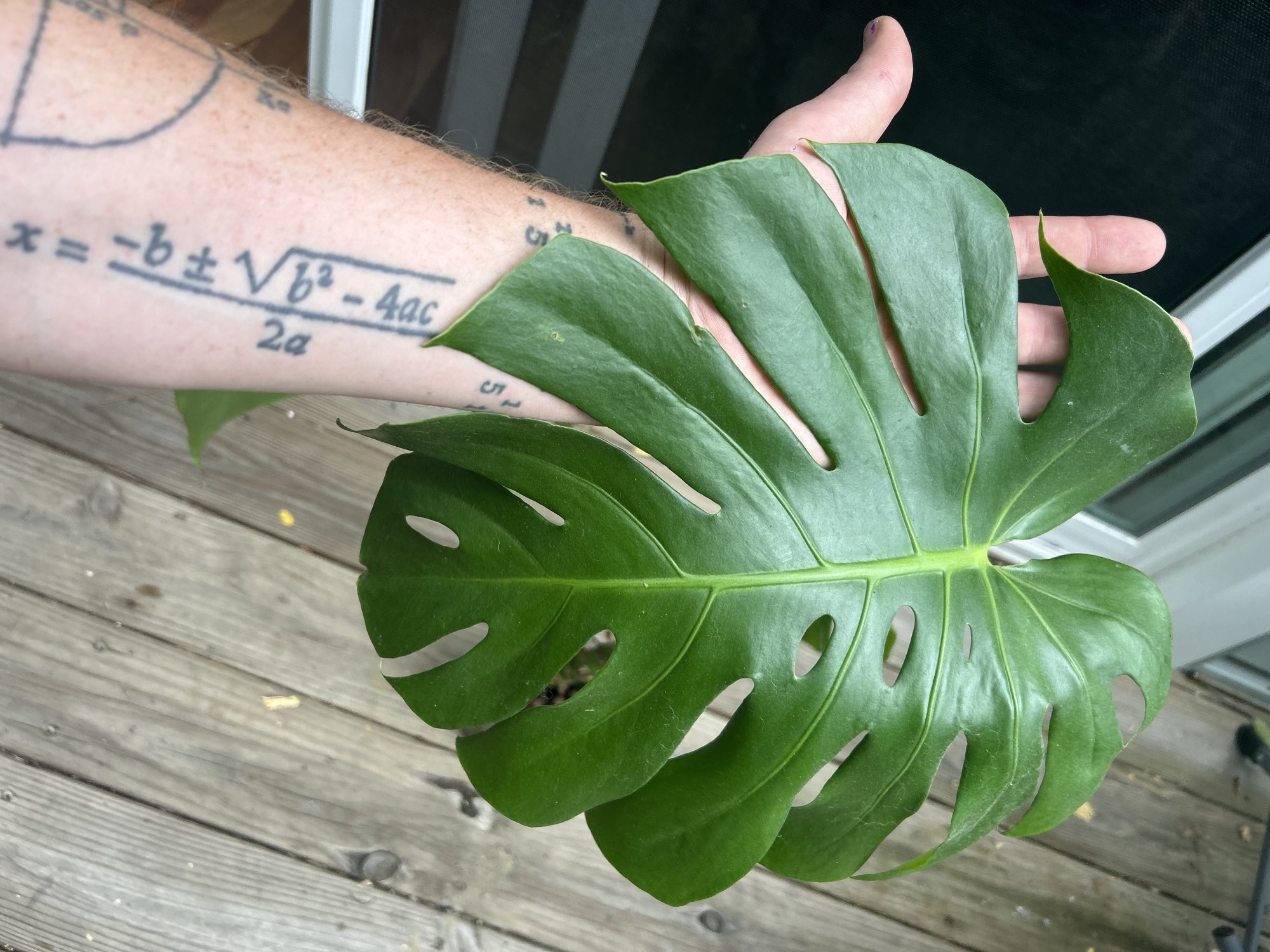
The Monstera Deliciosa, also known as the Swiss Cheese Plant, is a beloved and iconic houseplant known for its lush foliage and unique leaf shapes. Its vibrant green leaves and air-purifying qualities make it a popular choice among plant enthusiasts. To ensure your Monstera thrives and remains a stunning addition to your indoor space, follow these care instructions:
**1. Light:**
Place your Monstera in bright, indirect light. Avoid direct sunlight, as it can scorch the leaves. If your plant isn't getting enough light, its growth may slow down and its leaves might lose their distinct split patterns.
**2. Watering:**
Water your Monstera when the top inch of the soil feels dry to the touch. Over-watering can lead to root rot, so make sure the pot has good drainage. During...
22
The Fiddle Leaf Fig
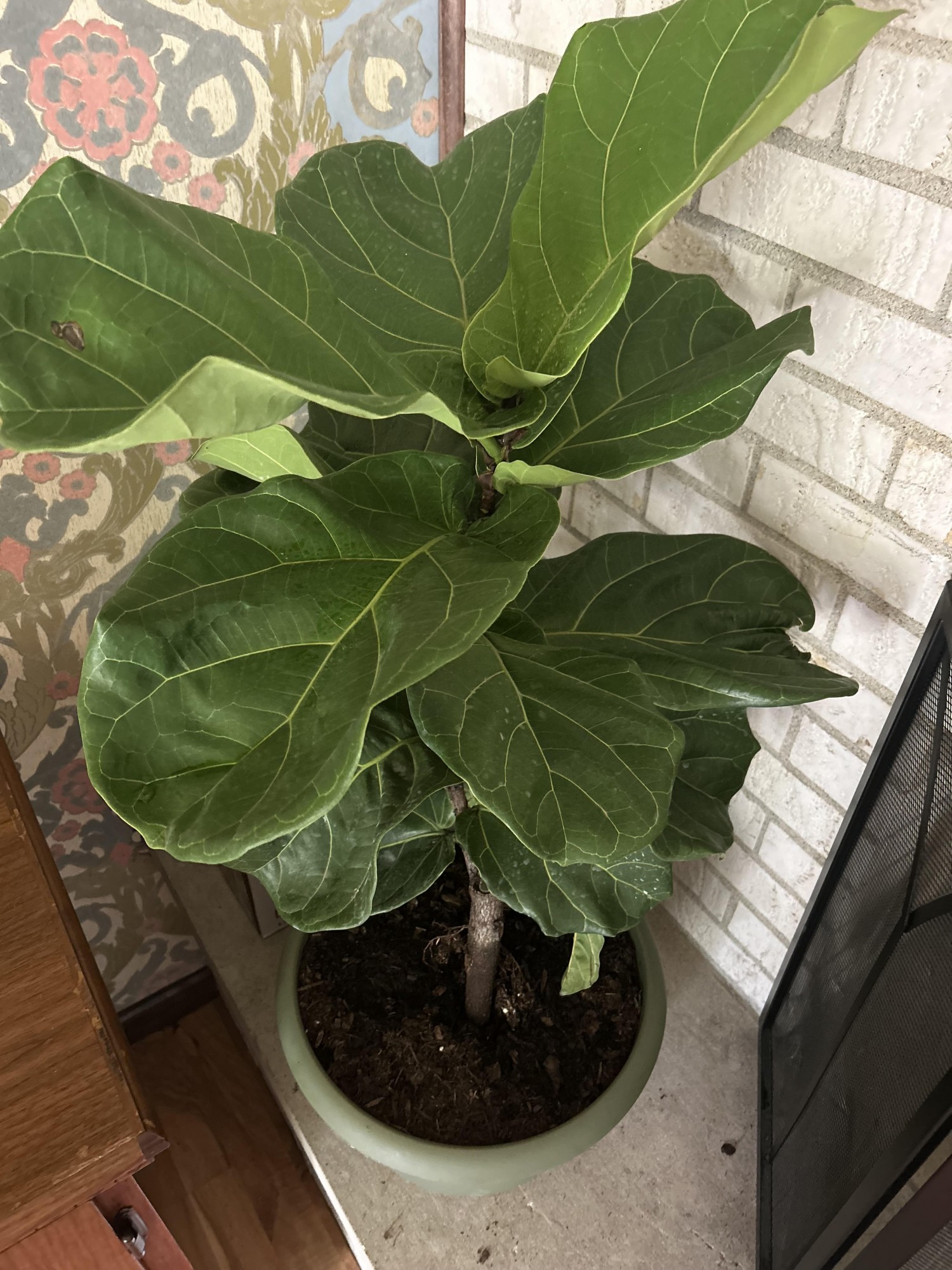
The fiddle leaf fig (Ficus lyrata) is a captivating indoor plant known for its striking, violin-shaped leaves. Originating from the lush rainforests of West Africa, this botanical gem has gained immense popularity in homes and offices worldwide. Its large, glossy leaves and distinctive tree-like structure make it a cherished decorative addition.
Caring for a fiddle leaf fig involves providing the right conditions. Place it in a spot with bright, indirect sunlight to mimic its natural habitat. Avoid exposing it to drafts, as they can stress the plant. Water the fiddle leaf fig when the top inch of soil feels dry, ensuring proper drainage to prevent root rot. Regularly wipe down the leaves to remove dust and keep them vibrant.
During the growing season, which spans from spring to summer, fertilize the plant with a balanced liquid fertilizer to suppo...
9
The Spider Plant
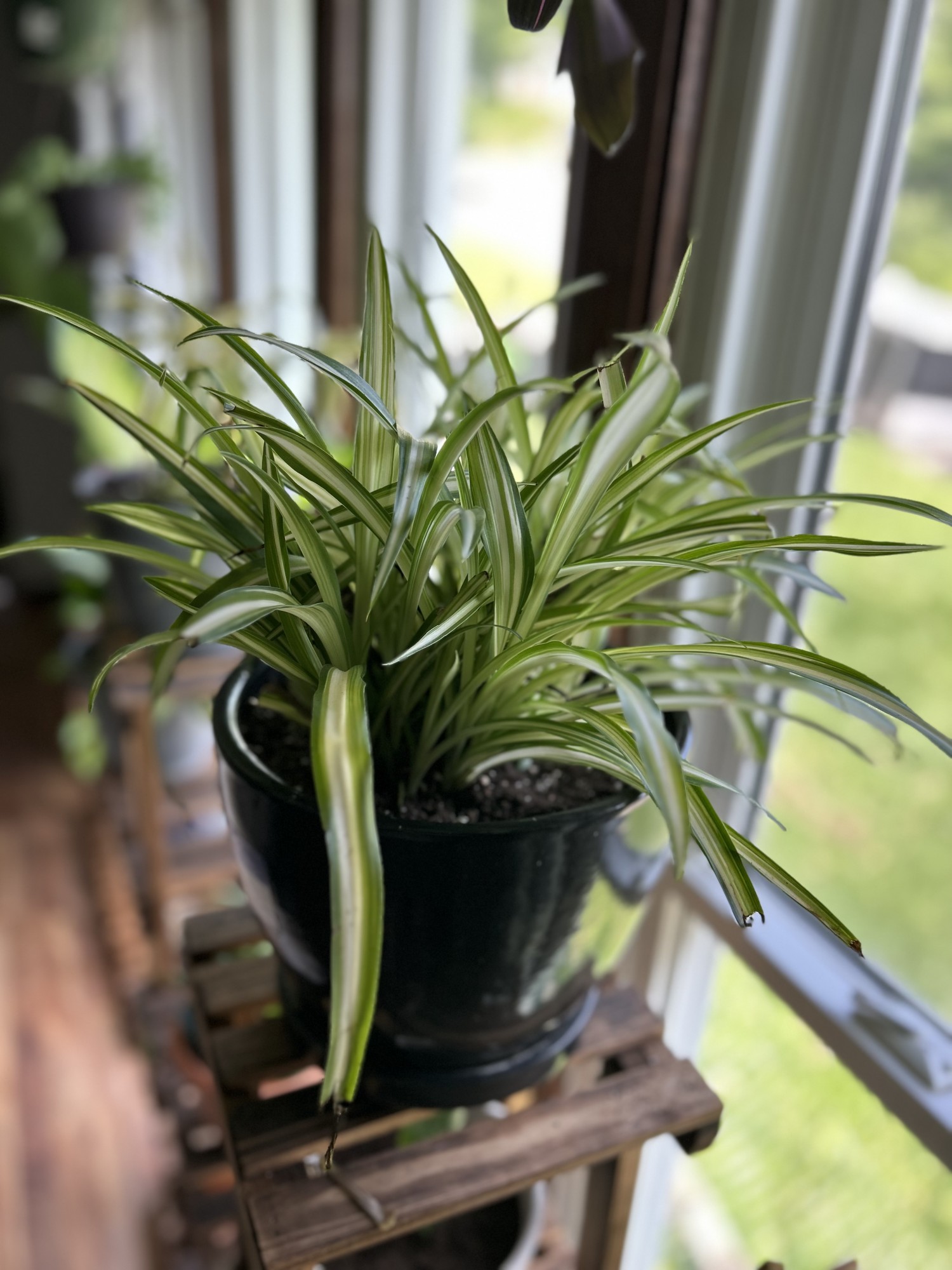
The spider plant (Chlorophytum comosum) is a popular indoor plant known for its arching, spider-like foliage. Native to South Africa, it has become a favorite among plant enthusiasts worldwide due to its ease of care and air-purifying qualities.
Care Instructions:
1. Light: Spider plants thrive in bright, indirect light. Avoid direct sunlight, as it can scorch their leaves.
2. Watering: Allow the top inch of the soil to dry between waterings. Overwatering can lead to root rot, so it's best to err on the side of slightly underwatering.
3. Soil: Use a well-draining potting mix that retains moisture without becoming soggy.
4. Temperature: Spider plants prefer average room temperatures between 65-75°F (18-24°C). They can tolerate slightly cooler temperatures.
5. Humidity: These plants can adapt to various humi...

Privacy Policy / DMCA Notice / ADA Accessibility


